RIB boating on the Baltic — how to stay safe at sea
The Baltic looks calm, but it can change quickly. It has short, steep waves that tire the boat and the crew more than a long ocean swell. These are the rules we follow when we take RIBs out on the Gulf of Gdańsk and along the coast.
The right boat
For the sea, choose a boat from about 5.8 m with a deep-V hull. The RIB’s tube softens wave impacts and adds stability, while the rigid hull holds its course at higher speed. Check the CE design category:
- C — coastal waters and bays: waves up to 2 m, wind up to Beaufort 6.
- B — offshore: waves up to 4 m, wind up to Beaufort 8.
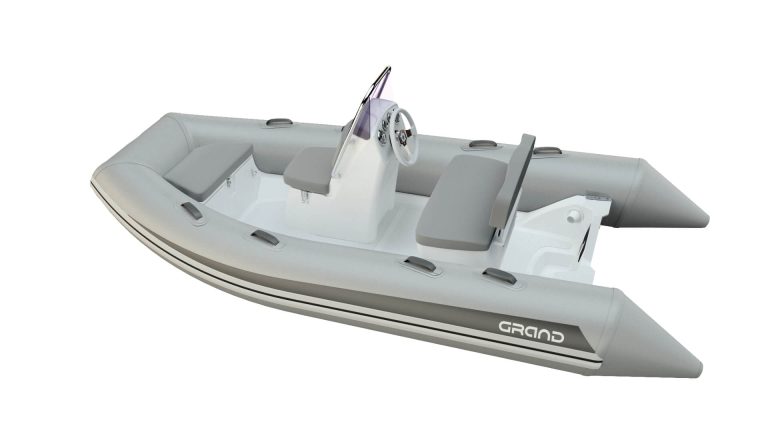
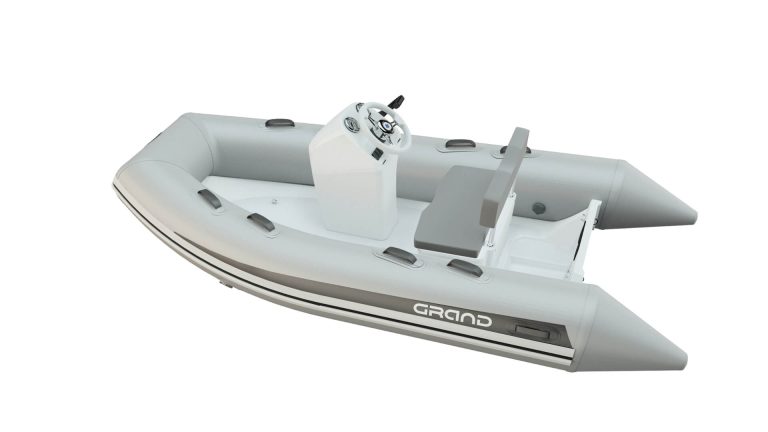
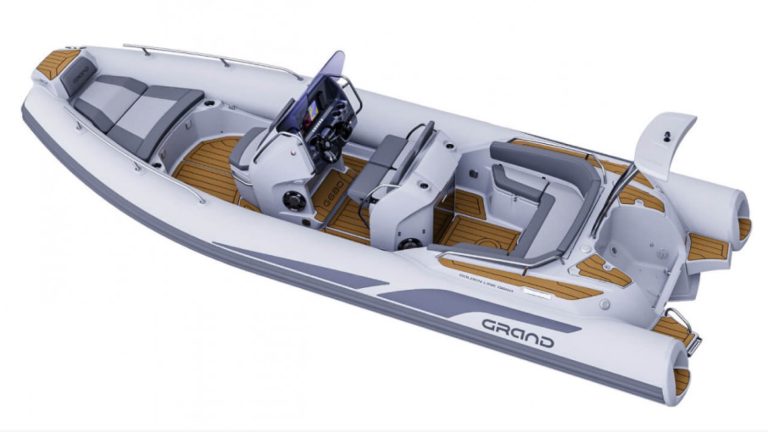
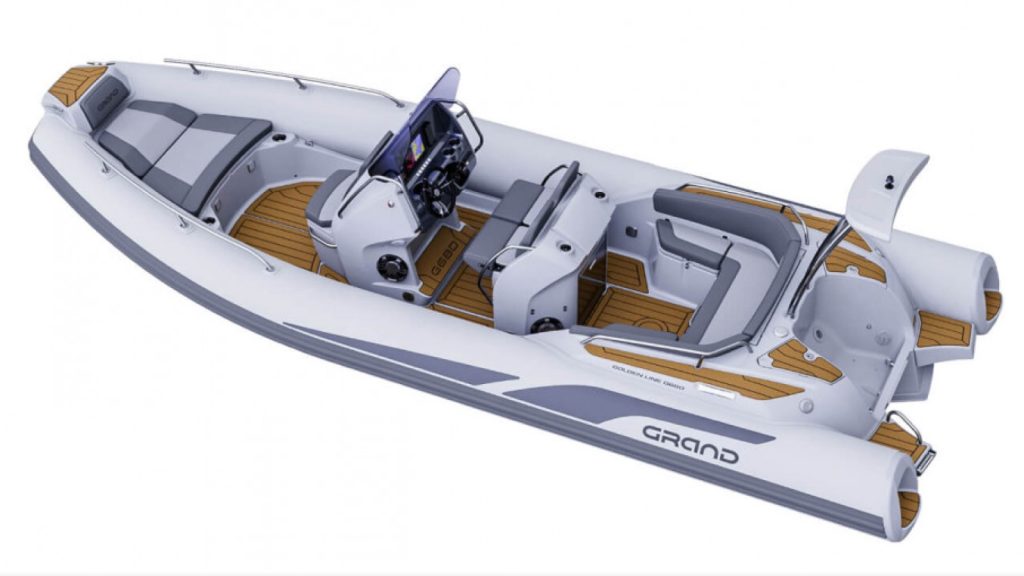
For the Gulf of Gdańsk and trips along the shore, 5.8–6.8 m is enough (G580, G650, G680, D600). For longer passages choose 7.5–10 m with category B (G750, G850, G980, D950). The models are on the RIBs for the Baltic page.
Weather and waves
- Before you go, check the wind and wave forecast — not just for now, but for the whole trip and the return.
- An offshore wind gives calm water near the shore, but the waves grow with every mile out, and the way back is into the wind.
- The CE category is a design limit, not comfortable conditions. Leave a margin.
Speed in waves
In short waves, adjust your speed so the boat does not leap out of the water or slam with its bow. Trim the outboard: bow slightly down into a head sea, higher on calm water. The crew should stay seated and hold on to the grab handles.
Fuel and range
Plan fuel with a reserve — the rule of thirds: one third out, one third back, one third in reserve. Consumption rises in waves and into the wind.
Equipment on board
The absolute basic is a buoyancy aid or lifejacket for every person on board. We also recommend:
- a kill cord attached to the helmsman;
- an anchor with line, mooring lines and fenders;
- a phone in a waterproof case, and a VHF radio for longer trips;
- a first-aid kit, a torch, a fire extinguisher;
- a bailer or bilge pump, an oar or paddle;
- distress signals in case of a breakdown.
Mandatory equipment depends on the type of boat and the waters — check the current regulations before the season.
Before every trip
- Tell someone ashore where you are going and when you will be back.
- Check the fuel, the battery, the tube pressure and that the outboard runs properly.
- Make sure the whole crew knows where the lifejackets are and how the kill cord works.
Frequently asked questions
Can I take a small RIB out on the Baltic?
Small RIBs (category C or D) are designed for sheltered and coastal waters in good weather. For the sea, choose a boat from about 5.8 m.
Which outboard for the sea?
Power from the upper part of the model’s recommended range — spare power helps in waves and with a full load.
Does a sea boat have to be registered?
Yes, if it is longer than 7.5 m or has an outboard above 15 kW (about 20 HP).